Frequently asked questions about electromagnetic pelvic floor stimulation
What is electromagnetic pelvic floor stimulation?
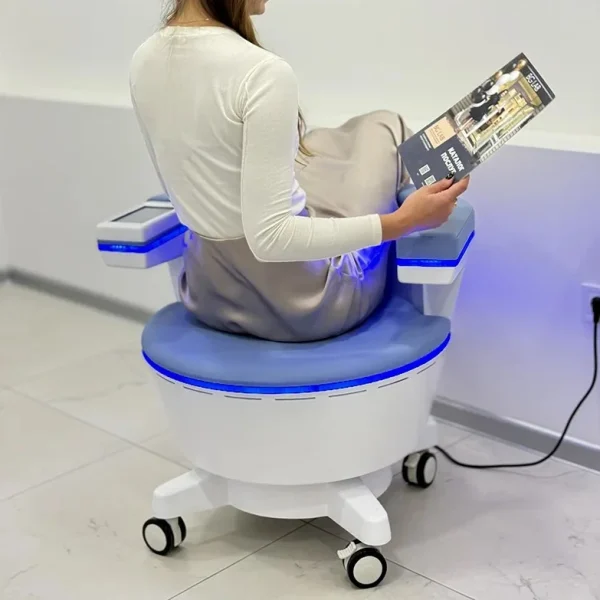
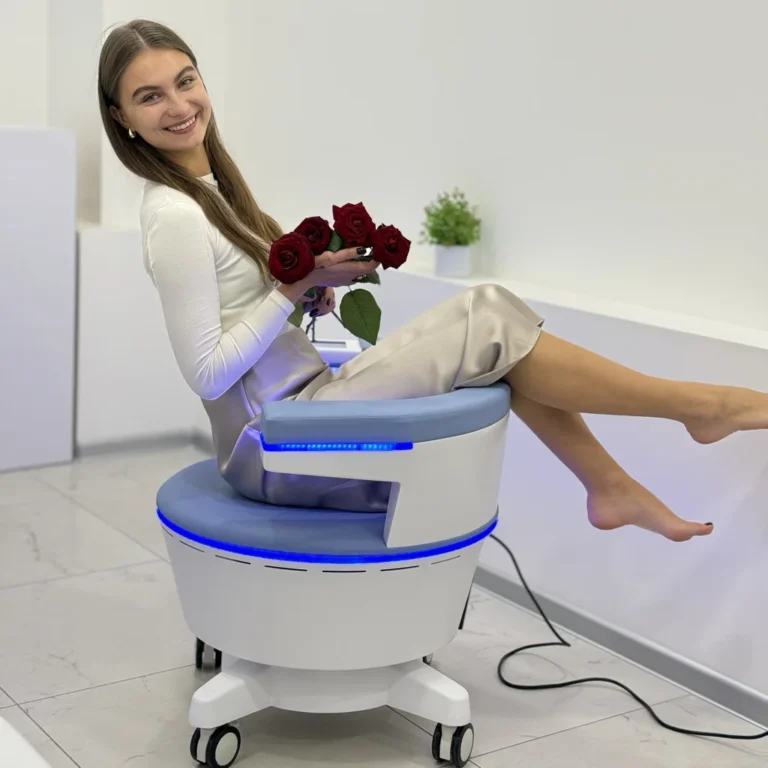
Electromagnetic stimulation is a non-invasive device-based procedure in which electromagnetic pulses stimulate the nerves and muscles of the pelvic floor. This causes repeated muscle contractions that may help improve muscle tone, coordination, and bladder control. The procedure is performed in a specialised chair without the patient having to undress or undergo probe insertion.
Can magnetic stimulation help with urinary incontinence?
Studies indicate that magnetic stimulation may reduce the symptoms of stress, urgency, and mixed urinary incontinence in some patients. The outcome depends on the cause and severity of the condition, the state of the pelvic floor muscles, and completion of the recommended treatment course. The method does not guarantee complete resolution of symptoms and may be combined with exercises, physiotherapy, or other treatments when necessary.
What happens during a magnetic chair treatment?
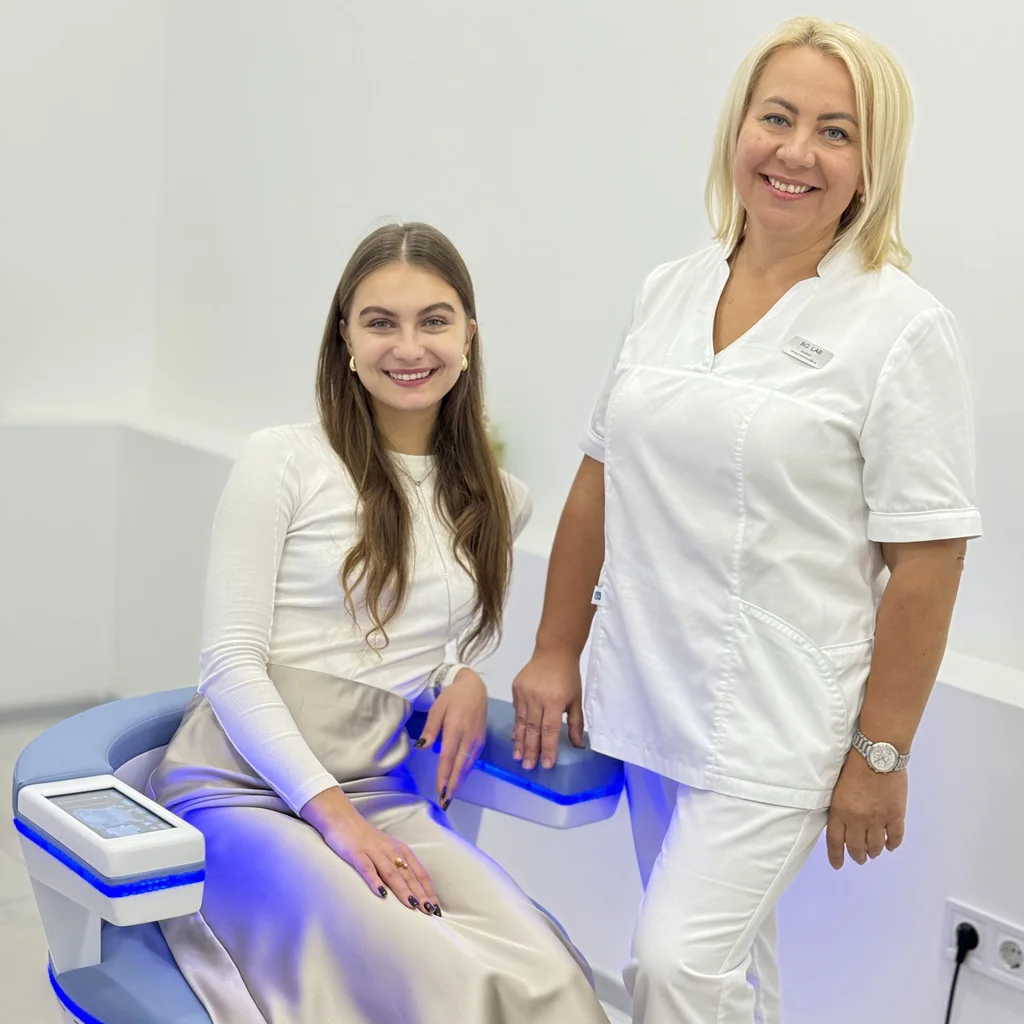
The patient sits in a specialised chair while remaining fully clothed. The device generates a pulsed magnetic field that causes rhythmic contractions of the pelvic floor muscles. The patient may feel vibrations and pleasant warmth. A session lasts approximately 28-30 minutes, does not require anaesthesia, and usually does not restrict activity afterwards.
How many electromagnetic stimulation sessions are required?
The number of sessions is determined individually according to the symptoms, the initial condition of the muscles, and the patient’s response to treatment. A course usually consists of 3, 5, 7, or 10 procedures, performed once every 2-7 days.
Who should not undergo electromagnetic stimulation?
The procedure is generally not performed during pregnancy or in patients with a pacemaker, implanted electronic devices, or certain metal structures in the treatment area. Restrictions may also apply to patients with acute inflammatory conditions, cancer, neurological disorders, or other medical conditions. A consultation with a gynaecologist or urologist is required before starting the treatment course.