
Approximately 80–95% of women are familiar with cellulite. Beyond being a cosmetic issue, it can significantly impact self-esteem, leading to insecurities regarding clothing choices and even personal intimacy.
Today, the market is flooded with “miracle” cures, ranging from folk remedies to invasive surgeries. However, treating cellulite effectively requires a responsible, medical approach. Before starting any treatment, a professional consultation is essential.
The choice of treatment should be approached responsibly and must be made only after consulting a specialist.
What is Cellulite from a Medical Perspective?
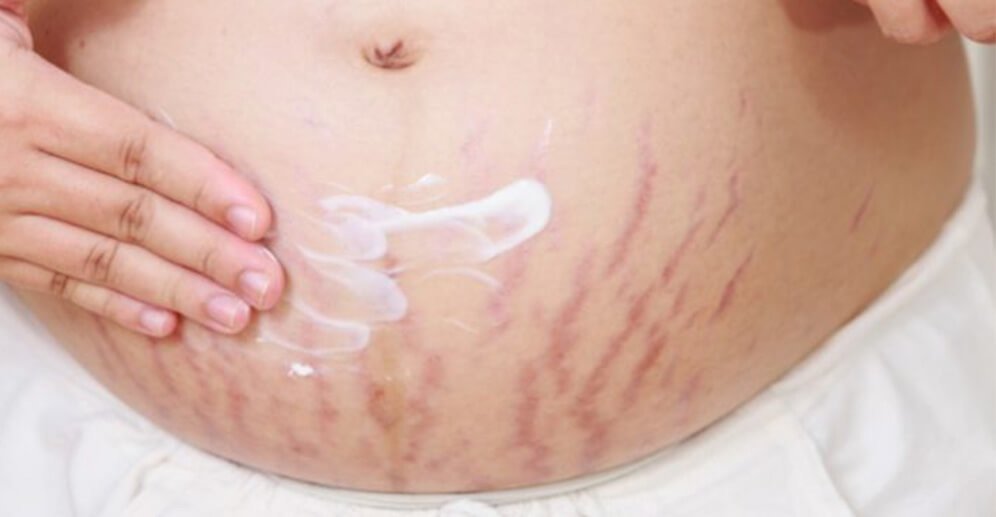
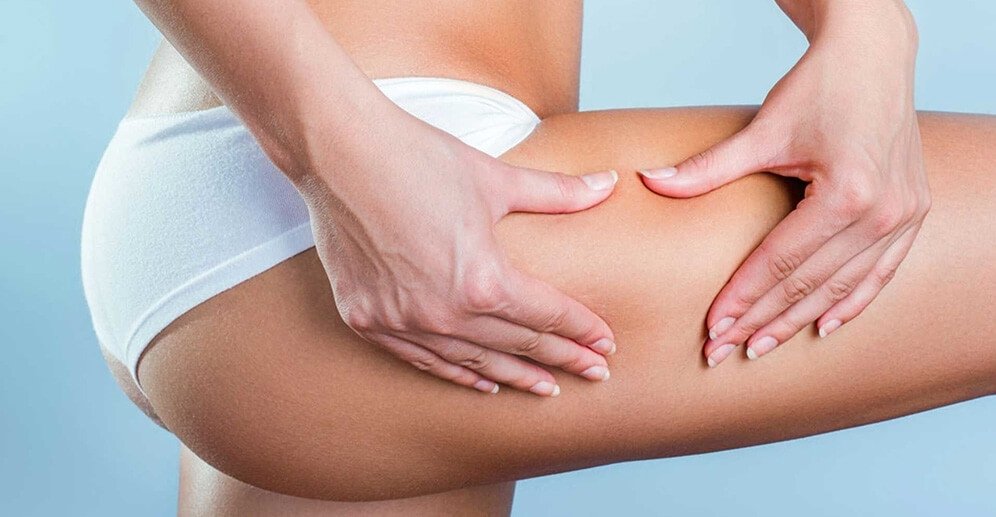
In medical terms, cellulite is known as lipodystrophy. It refers to dystrophic changes in the subcutaneous fat layer, primarily in the hips and buttocks. These changes create a textured appearance known as the “orange peel” effect. As the condition progresses, the skin becomes increasingly bumpy with visible dimpling.
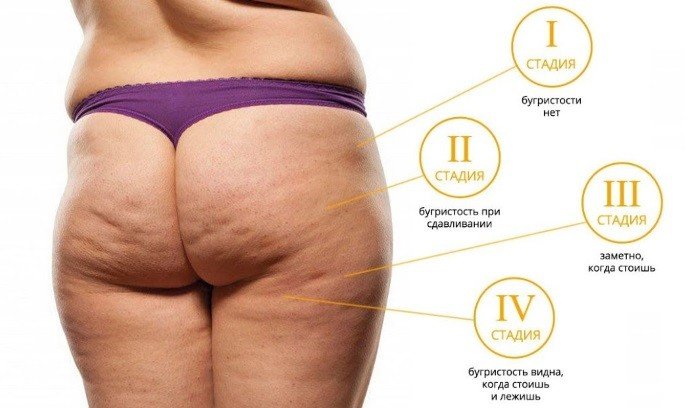
The Four Stages of Lipodystrophy:
- Stage 1 — The skin appears smooth but looks slightly swollen (edema). Fluid retention begins, and toxins start to accumulate in the intercellular space.
- Stage 2 — Slight bumpiness becomes visible, especially when muscles are tensed. Fat deposits begin to harden due to tissue swelling and toxin buildup.
Stage 3 — The “orange peel” effect is clearly visible. Swelling compresses blood vessels, leading to poor circulation and potential bruising. Connective tissue begins to grow around fat cells, forming micronodules.
- Stage 4 — Sharp, visible bumpiness even when muscles are relaxed. Micronodules merge into “cellulite stones.” Due to severely impaired circulation, the skin may have a bluish tint and feel cold or painful to the touch. This stage is the most difficult to treat
In this article, we’ll explain what cellulite is and how to get rid of it, what causes this condition, which methods are most effective for eliminating cellulite, and how non-invasive body contouring techniques work.
Cellulite: Causes of Changes
Why does cellulite form? The causes of these changes vary. In most cases, cellulite in women is physiologically determined. Its causes are linked to reproductive function and stem from the specific distribution of adipose tissue.
The largest amount of subcutaneous fat is found in the abdomen, buttocks, and thighs—this is a natural adaptation designed to support the normal development and birth of a baby. In addition, women’s subcutaneous fat tissue has unique characteristics. As is well known, it consists of fat cells and the connective tissue fibers that distribute them. In women, these fibers run perpendicular to the skin, whereas in men, they run vertically, diagonally, and parallel, forming a network. As a result, the fat between the connective tissue fibers in women easily protrudes, forming lumps—that is, cellulite.
The causes of lipodystrophy may also include the following:
- Heredity.
- Pregnancy.
- An unhealthy and unbalanced diet.
- A sedentary lifestyle.
- Bad habits.
- A sudden change in weight.
- Hormonal imbalances.
- Ovarian dysfunction.
- Thyroid dysfunction.
- Insufficiency of the venous and lymphatic systems.

When it comes to a problem like cellulite, the causes often lie in age-related changes—structural changes in the subcutaneous tissue typically begin after the age of 25.
Is it possible to get rid of cellulite?
“Can cellulite be eliminated?” is one of the most pressing questions among women. It all depends on the stage of cellulite, its underlying causes, and the method used to treat it.
So, home remedies for cellulite often prove to be ineffective. The question of whether it’s possible to get rid of cellulite isn’t relevant during pregnancy either, since in this case it’s caused by physiological changes and usually disappears shortly after the baby is born.
A qualified cosmetologist can provide the most accurate information on whether it is possible to get rid of cellulite and which method will be the fastest and most effective.
How to Get Rid of Cellulite Fast: Effective Methods
Today, there are many methods for quickly getting rid of cellulite.
Both folk and conventional medicine promise good results; however, it’s important to remember that it’s impossible to get rid of cellulite quickly through conservative methods alone.
The most effective ways to get rid of cellulite quickly are considered to be surgical procedures and cosmetic treatments.
Among the latest, the following are particularly popular:
- Body wrap.
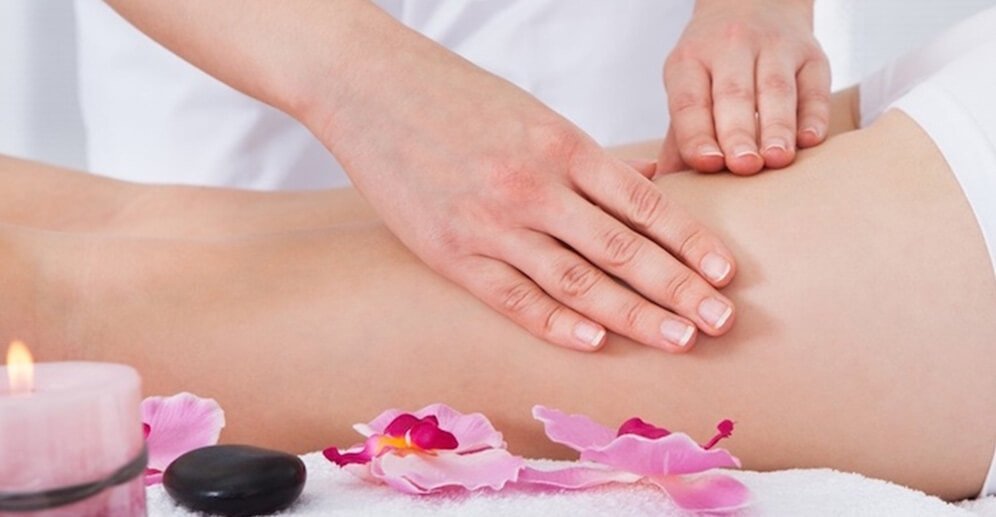
- Anti-cellulite massages.
- Mesotherapy.
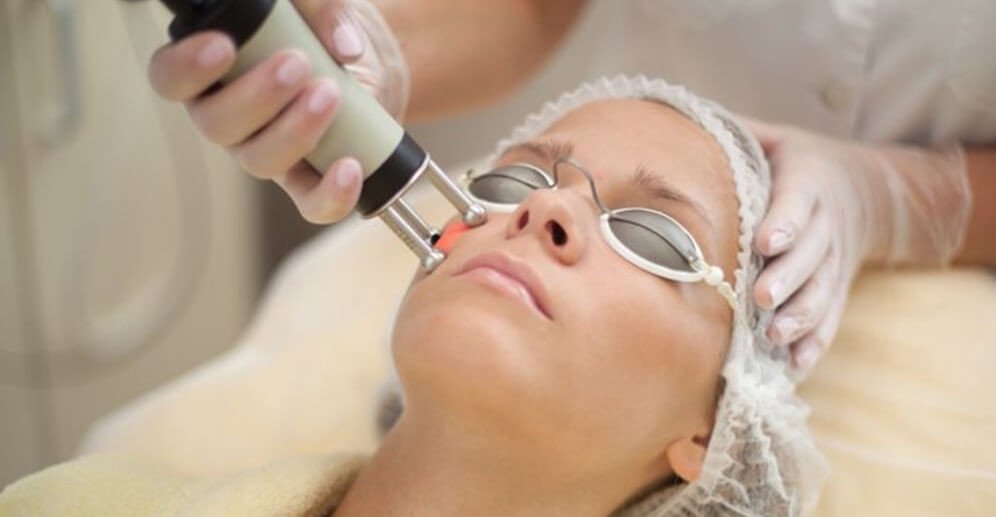
- Laser therapy.
- Shockwave therapy.
- Ozone therapy.
- Electrolysis.
Non-invasive treatments for cellulite
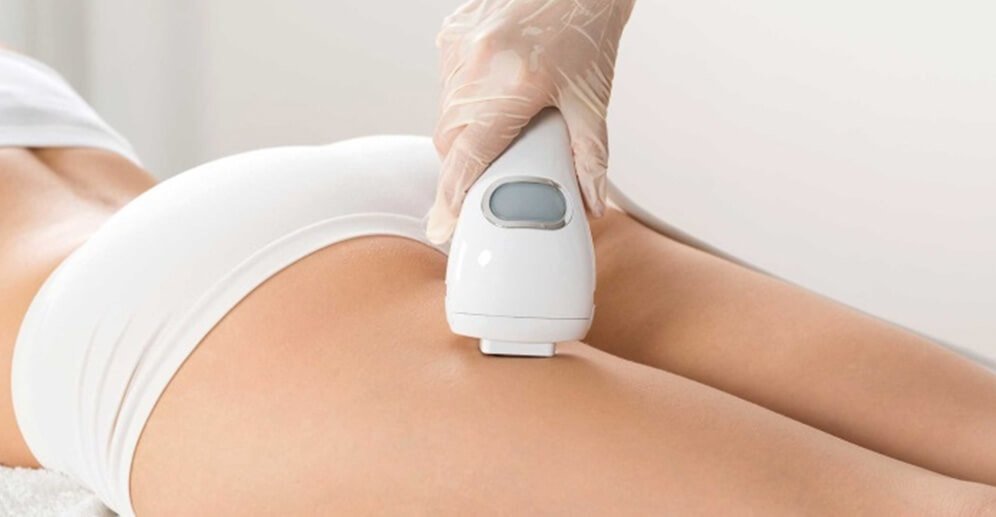
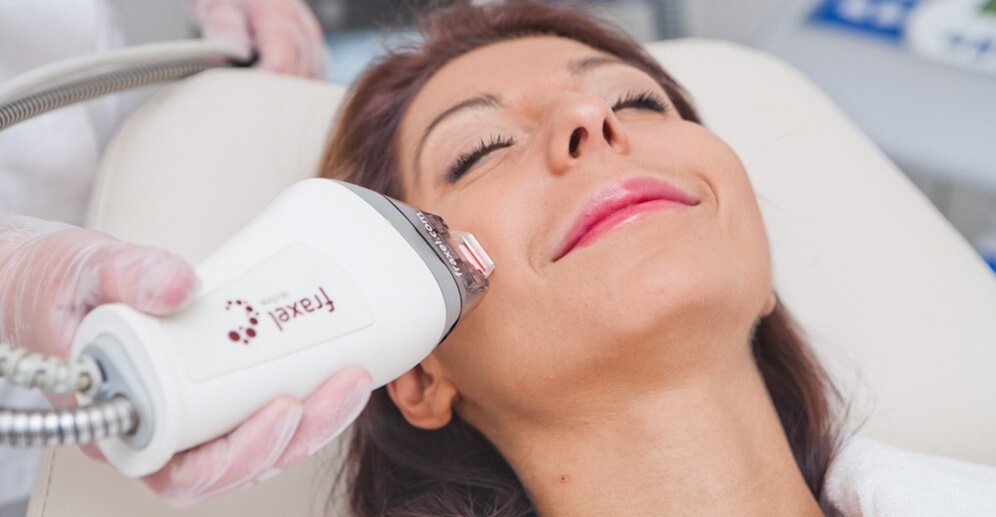
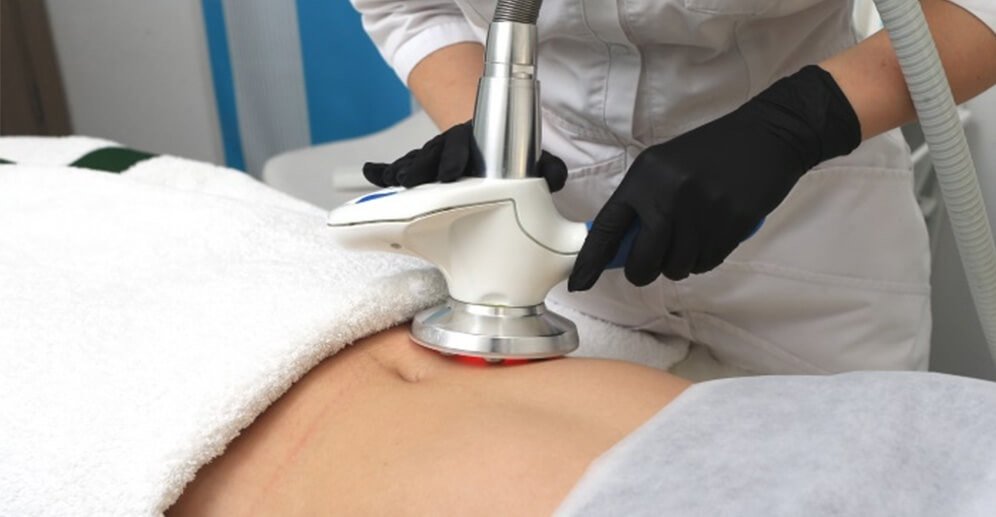
In modern cosmetic clinics, the most popular and effective methods for treating cellulite are those that use specialized devices. These devices are programmed to perform several different treatments at once, which is what makes them so effective.
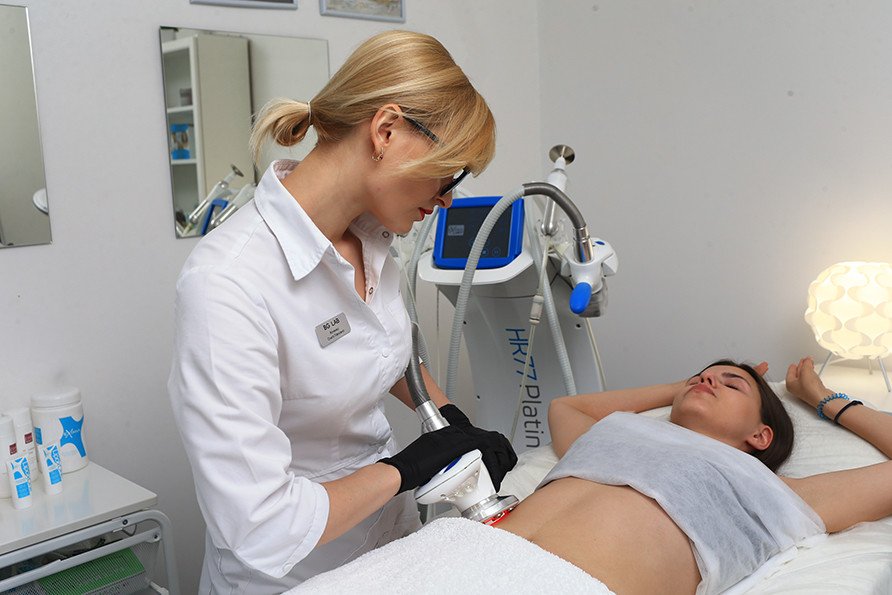
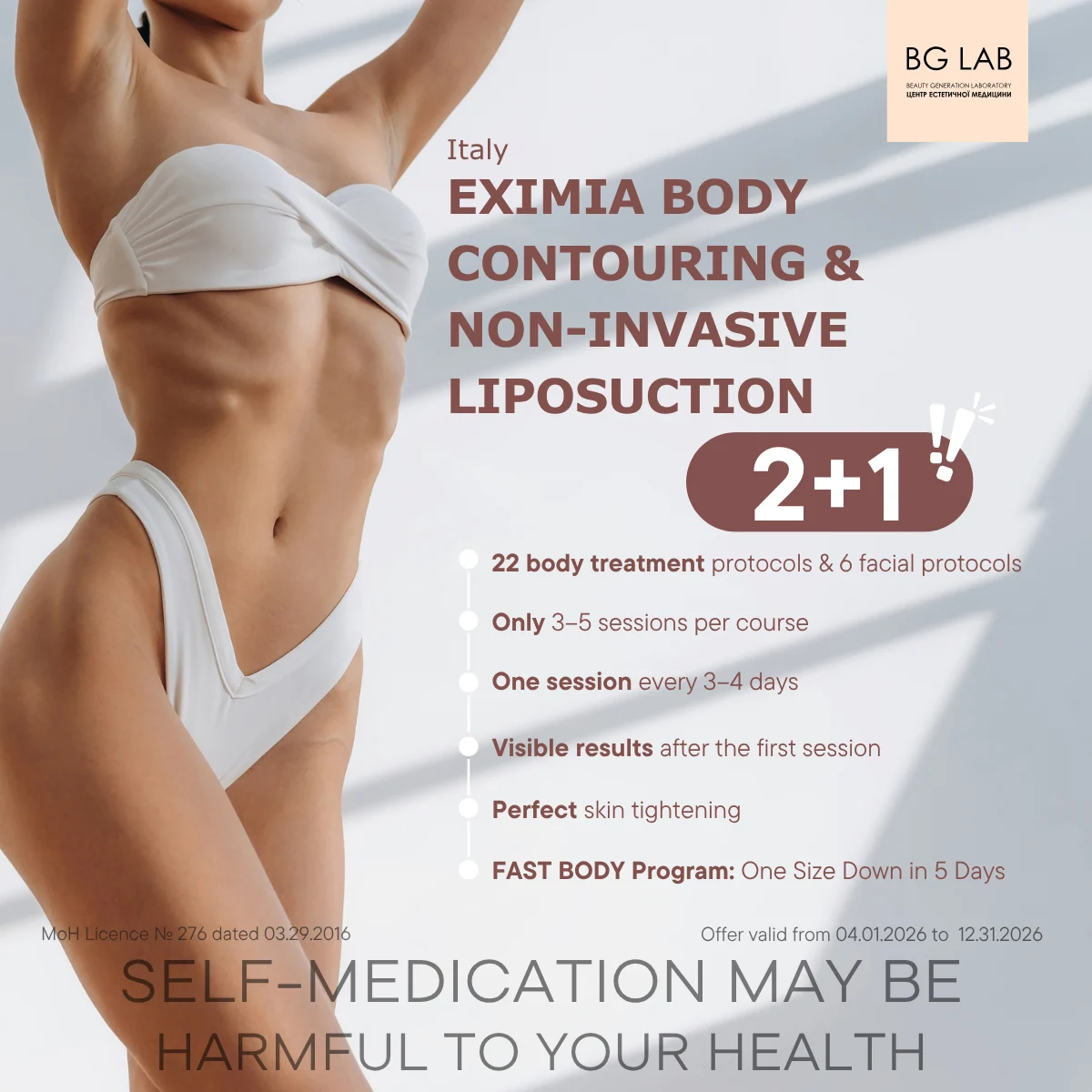
One of the most well-known methods is the use of Eximia for the treatment of cellulite.
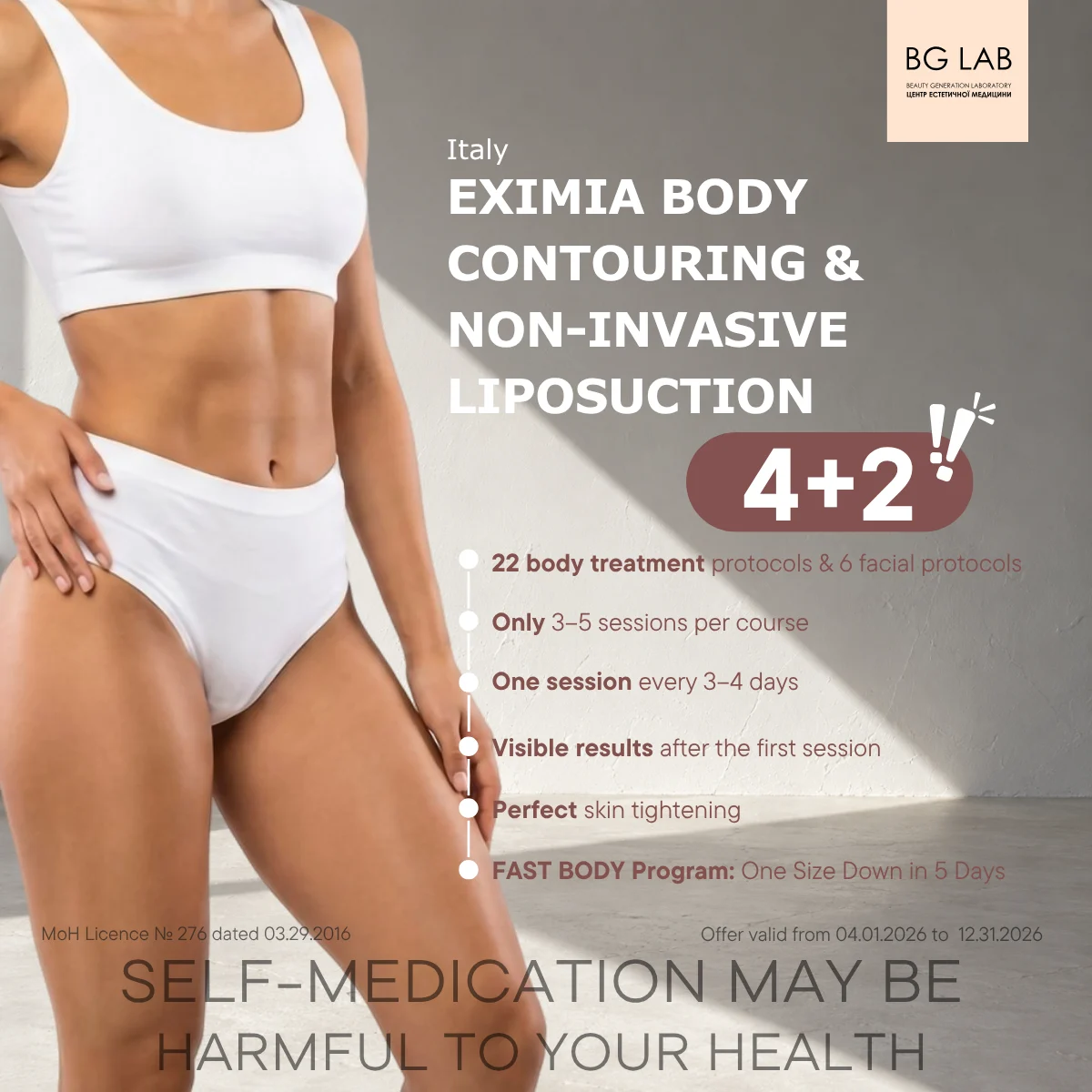
Eximia — This is a comprehensive body contouring device that offers 22 body programs and 6 facial programs. Eximia’s cellulite treatment utilizes X-MOVE ultrasonic technology and X-RADIO and X-STONE radiofrequency technologies. Maximum results can be achieved after just 4–6 sessions!
BGLab offers effective cellulite treatments, including non-invasive treatments using the Eximia device. Here, you’ll say goodbye to cellulite quickly and for good! The specialists at BGLab will not only provide top-quality non-invasive treatments but also offer the necessary recommendations!
But it’s important to remember that no matter how effective non-surgical treatments for cellulite may be, without dietary adjustments, lifestyle changes, and giving up unhealthy habits, the results won’t last long!