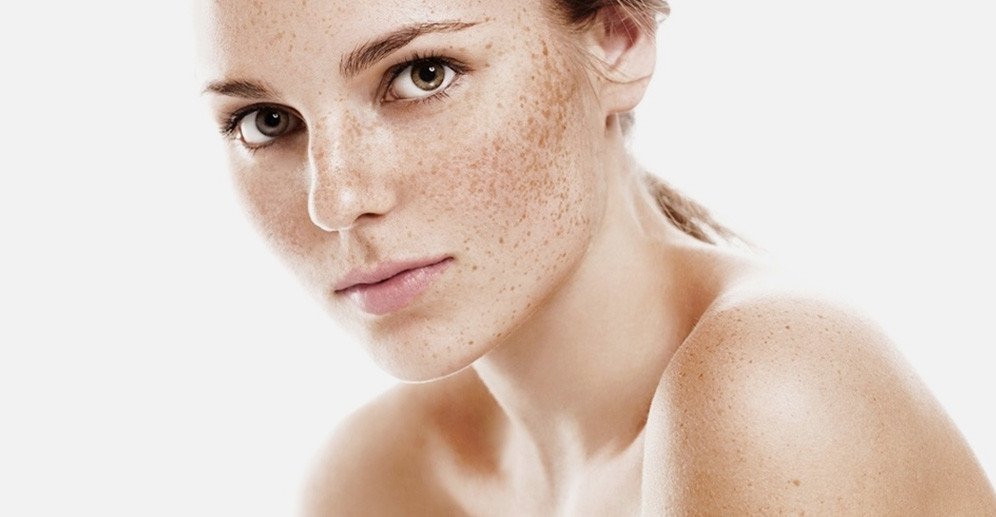
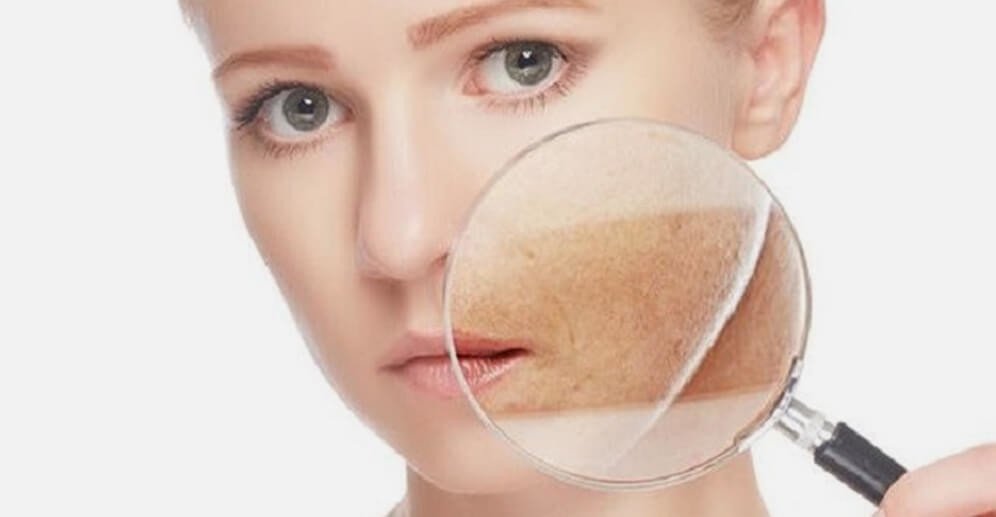
People with freckles have long been called the sun’s favorites and the chosen ones of the gods. And indeed, for many, these brown spots lend a special charm and appeal. However, there are other types of pigmented spots—lentigines, melasma, chloasma, nevi, post-acne spots, as well as hypopigmented spots (vitiligo). The most common are nevi—birthmarks that can vary in appearance and location. A small birthmark, for example, near the lip can also add to a person’s attractiveness and uniqueness; however, a large birthmark is unlikely to be considered beautiful.
Melasma is also quite common—these are large, brown patches with irregular edges. They are more common in young women, can grow larger when exposed to sunlight, and often cover the entire face, thereby creating a significant cosmetic defect.
Pigment spots can develop for a variety of reasons—sun exposure, hormonal imbalances, genetic predisposition, vitamin deficiency, internal organ diseases, sexually transmitted infections, stress, low-quality cosmetics, and more. Depending on the cause of the pigment spots, the methods for treating them may vary slightly.
So, how can you get rid of age spots? There is a wide variety of methods for removing these cosmetic imperfections—cosmetics, special serums and creams, medications, chemical peels, laser treatment, phototherapy, and other cosmetic procedures.
Later in this article, we will discuss in greater detail how to address the issue of age spots, as well as the most commonly used removal methods—mesotherapy, phototherapy, laser resurfacing, chemical peels, face masks, and creams—which will also be covered in more detail.
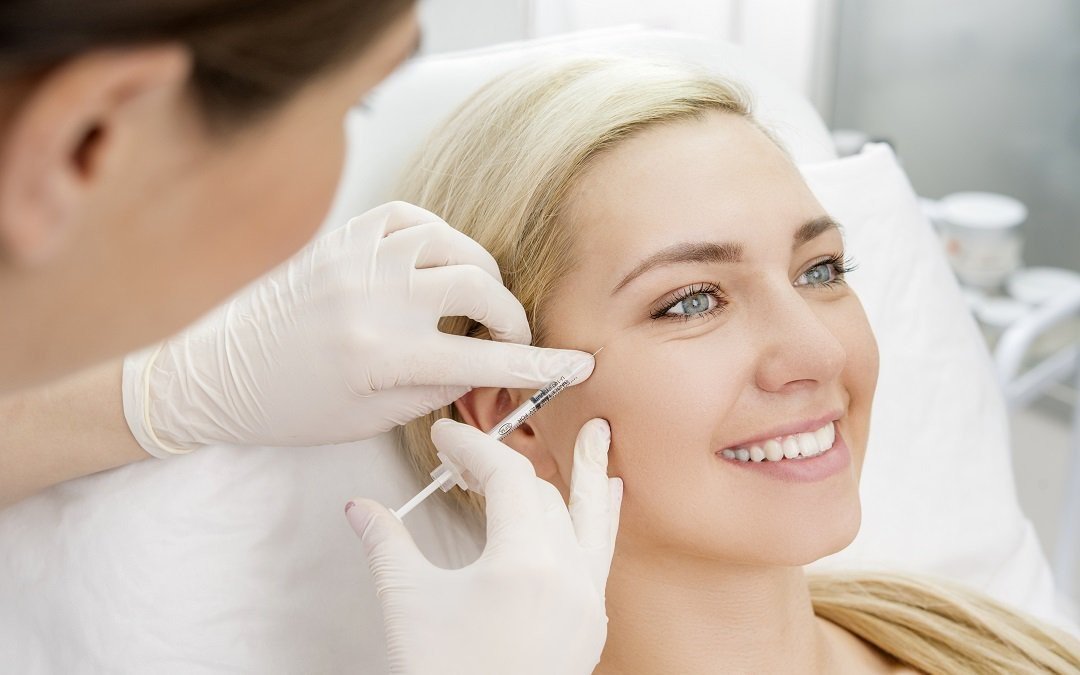
Mesotherapy isn’t just an excellent way to get rid of age spots and other skin imperfections; it also rejuvenates the skin, nourishes it, and makes it look fresher and more supple.
However, before using mesotherapy to remove dark spots on your face, you should definitely consult a doctor.
Phototherapy for Pigmented Spots
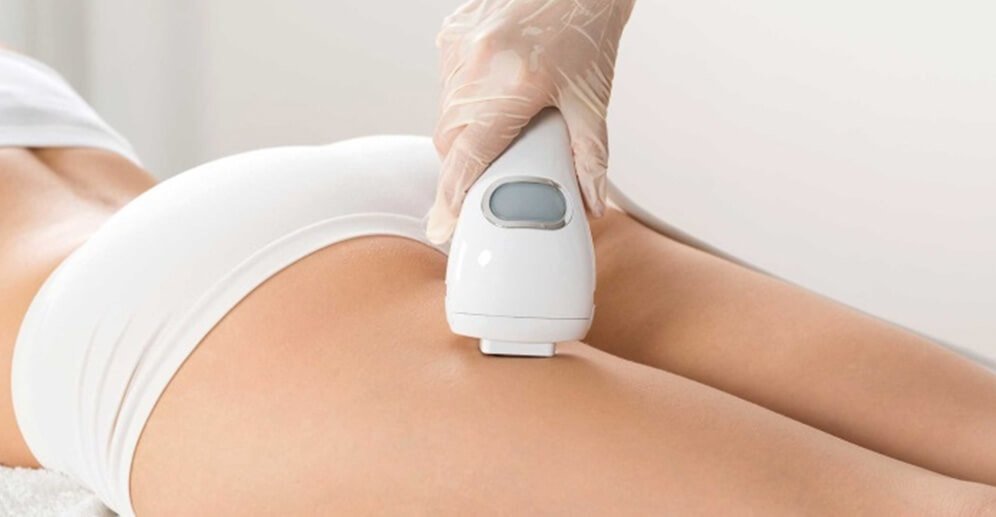
Another well-known method is phototherapy for pigmented spots. This is an effective, modern method for removing skin imperfections that involves exposing the skin to light pulses of a specific wavelength, which penetrate deep into the skin and break down melanin. Phototherapy for pigmented spots produces visible results after just the first session. Complete elimination of the imperfections may require 3 to 10 sessions, with an average of 3–4.
Phototherapy has virtually no contraindications. The only thing to note is that you should avoid exposure to ultraviolet rays for two weeks prior to the phototherapy session, and refrain from using chemical peels and retinol-containing products for at least one month before the procedure.
The phototherapy procedure is completely safe and painless, and most importantly, effective. With phototherapy, you can not only get rid of age spots, but also rejuvenate your skin, moisturize it, tighten it, and even out your skin tone and complexion.
A chemical peel can help remove age spots
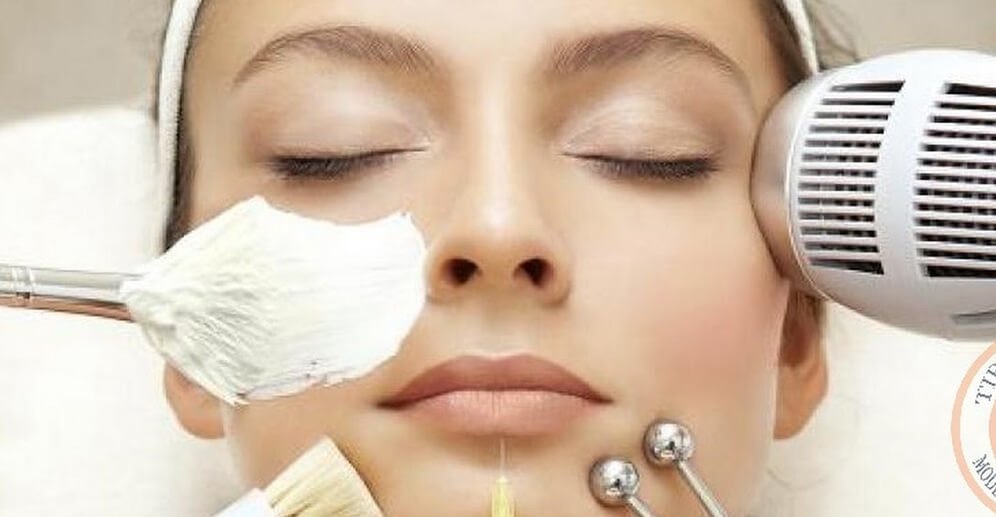
A procedure such as chemical peeling can also help remove pigment spots. Chemical peeling for pigment spots is a cosmetic procedure that involves applying special chemical compounds (acids) to the face, which help break down the keratinized, outer layer of the skin and promote its subsequent regeneration.
Chemical peels for pigmentation spots not only help eliminate blemishes but also rejuvenate the skin, even out skin tone, improve skin texture, clear up various breakouts, and regulate sebum production.
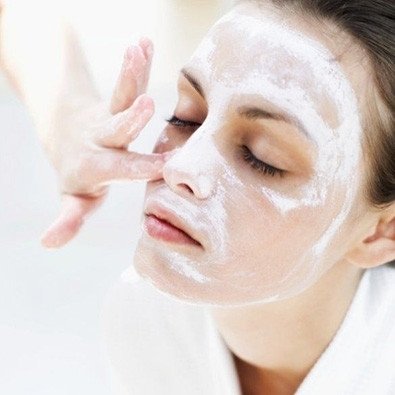
Pigment spots can be completely removed in approximately 5–10 chemical peel sessions. The type of peel and the number of sessions are determined by the doctor on a case-by-case basis.
Laser resurfacing is an effective way to treat facial pigmentation
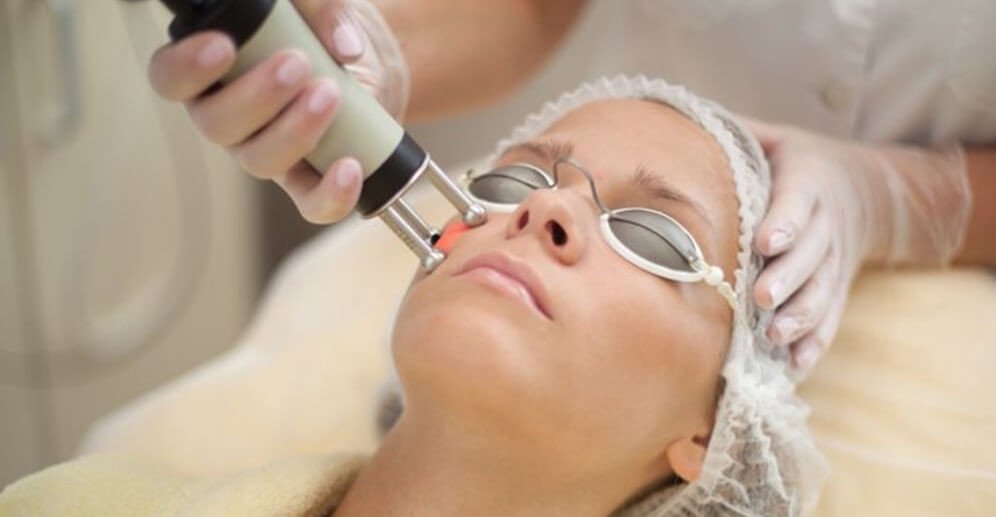
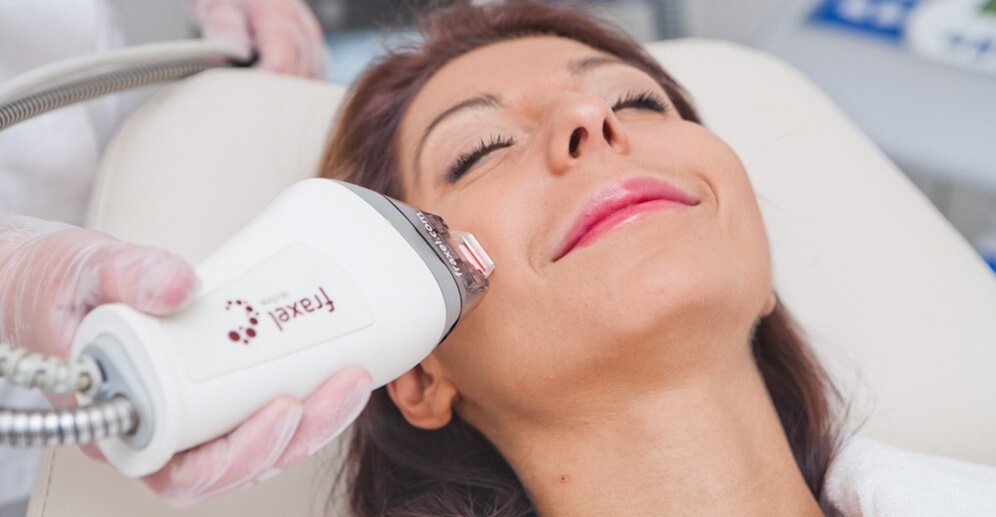
Laser resurfacing is another effective way to treat facial pigmentation. It involves exposing the skin to laser beams, which breaks down melanin and stimulates the skin’s natural regeneration processes. The laser targets only the pigmented areas of the skin without affecting healthy tissue, making this method of treating facial pigmentation completely safe.
Laser resurfacing delivers excellent results after just one session; however, 2 to 4 sessions are often required to achieve the maximum effect. In addition to removing pigment spots, laser resurfacing offers the following benefits:
- Facelift.
- Reducing the depth of wrinkles, or completely smoothing them out.
- Reducing skin sagging.
- Facial rejuvenation.
- Evening out skin tone and texture.
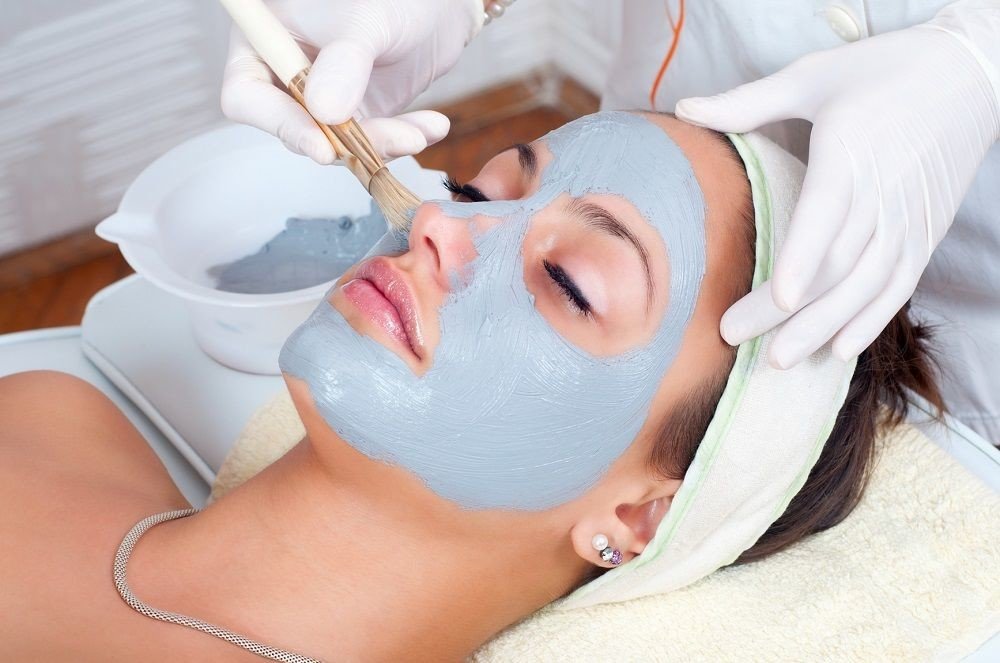
Face masks and whitening creams for dark spots
The first thing women turn to when they have pigmentation is a mask for dark spots or a special lightening cream for dark spots. The modern market offers a wide range of cosmetic products (masks, lotions, serums, and whitening creams) for pigment spots. They all differ in quality, effectiveness, composition, and price.
A face mask for treating age spots can be either store-bought or homemade. Traditional medicine recommends using cabbage, cottage cheese, kefir, cucumber, parsley, and lemon to make these masks. Such a mask for pigment spots should be used with caution and only after consulting a doctor! Store-bought masks contain special ingredients—essential oils, plant extracts, and specific acids—that have exfoliating and lightening properties.
Just as popular among women are skin-lightening creams for dark spots. These typically contain a toxic substance such as hydroquinone or hydroquinone glycoside. Examples include creams like Achromin, Achroactive, and Lierac. These creams often contain salicylic, glycolic, and phenolic acids, retinol, and vitamin C. Before using these cosmetic products, you should definitely consult a doctor.